

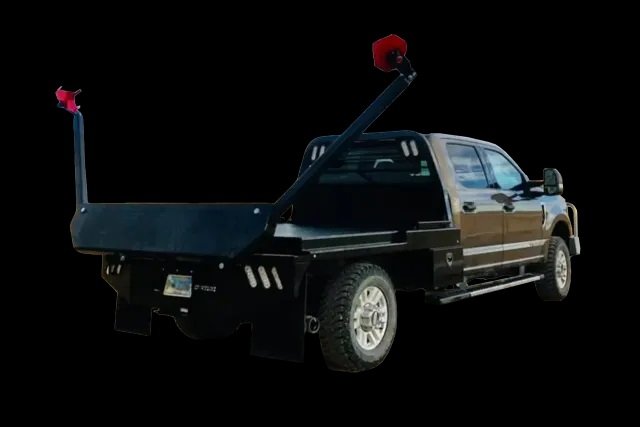
The agricultural industry continues to evolve with new technologies and equipment designed to make farming more efficient, safe, and productive. One area that has seen significant innovation is the truck bale bed. For farmers who frequently transport hay, straw, or other baled materials, staying up-to-date on the latest advancements in truck bale beds can save time, reduce labor, and improve overall farm operations.
Modern Materials and Construction
Traditional truck bale beds were typically made from basic steel, which provided strength but came with weight and corrosion issues. Recent innovations have introduced high-strength aluminum and composite materials into truck bale bed construction. These materials offer the same durability as steel while reducing the overall weight of the bed. Lighter beds improve fuel efficiency and reduce strain on the vehicle, especially when carrying heavy loads.
Additionally, modern manufacturing techniques such as precision welding and reinforced frameworks have enhanced the structural integrity of truck bale beds. These improvements ensure that the bed can handle large bales without warping or weakening over time. Farmers now have access to beds that combine durability, longevity, and lightweight performance, making transportation safer and more efficient.
Enhanced Loading and Unloading Features
Loading and unloading bales have historically been one of the most labor-intensive aspects of farm operations. Innovative truck bale beds now include features designed to streamline this process. Hydraulic lift systems, adjustable side panels, and automated securing mechanisms allow farmers to handle bales with minimal physical effort.
Some truck bale beds also incorporate sliding or tilting platforms that make it easier to position bales precisely, reducing the risk of damage to the load. These innovations not only save time but also minimize the risk of injury for workers. For farmers managing large operations, these improvements can significantly increase productivity and reduce operational costs.
Another important development is the integration of modular components. Modern truck bale beds often allow sections of the bed to be adjusted or removed to accommodate different sizes of bales or irregular loads. This versatility ensures that farmers can adapt their equipment to a wide variety of tasks without needing multiple trucks or specialized trailers.
Safety and Securing Innovations
Transporting heavy bales comes with inherent safety risks, including shifting loads and falling bales. Recent innovations in truck bale beds have focused on enhancing safety for both the driver and other road users. Modern beds often feature high-strength side rails, reinforced tie-down points, and automated locking systems. These features ensure that bales remain securely in place during transit, even on uneven or rough terrain.
Some truck bale beds now include integrated sensors or alert systems that notify the driver if a load is improperly secured or if there is excessive movement. This proactive approach to safety reduces accidents and protects valuable crops. Additionally, beds with anti-slip surfaces and protective coatings minimize the risk of bales sliding during loading, unloading, or transport.
Safety innovations also extend to ergonomics. Adjustable loading heights, step platforms, and strategically placed handles make it easier for farmers to manage bales without putting unnecessary strain on their backs or joints. By combining structural improvements with user-friendly features, modern truck bale beds provide both efficiency and peace of mind.
Future Trends and Smart Integration
Looking ahead, the next wave of truck bale bed innovations is likely to focus on smart technology integration. Concepts such as GPS-enabled tracking, automated load balancing, and AI-assisted unloading systems are already being explored. These technologies could allow farmers to monitor the position and stability of their loads in real time, further reducing risks and improving efficiency.
Electric and hybrid truck bale beds are also gaining attention, especially as farms seek more sustainable and energy-efficient solutions. Lightweight construction combined with electric lift systems could reduce fuel consumption and emissions while maintaining the strength and reliability farmers require.
Customization is another growing trend. Farmers increasingly seek beds that can be tailored to their specific operations, including specialized coatings to protect against moisture, corrosion, or extreme weather. Modular designs allow for quick adjustments, making it possible to switch between transporting hay, straw, or other agricultural materials without additional equipment.
Overall, the evolution of truck bale beds reflects the broader trend of technological innovation in agriculture. By adopting modern beds equipped with these advancements, farmers can improve operational efficiency, enhance safety, and reduce labor demands. Staying informed about the latest options ensures that farm equipment continues to meet the growing demands of modern agriculture.
The combination of advanced materials, streamlined loading and unloading, improved safety measures, and emerging smart technologies marks a new era for truck bale beds. Farmers who invest in these innovations not only increase productivity but also protect their valuable resources and personnel. As the agricultural landscape continues to evolve, truck bale beds will remain a crucial tool in helping farmers transport baled materials safely, efficiently, and effectively.
